First Aid Training in Liverpool : A Comprehensive Guide

Are you looking for reliable and effective first aid training in Liverpool? Whether you are a parent, caregiver, or a professional in the healthcare industry, knowing how to administer first aid is a vital life skill that can save lives. In this comprehensive guide, we will discuss everything you need to know about first aid training in Liverpool, including: Why is First Aid Training important? First aid is the initial care given to a person who has suffered an injury or sudden illness before professional medical help arrives. It is a crucial skill that can save lives and reduce the severity of an injury or illness. First aid training equips individuals with the knowledge and skills required to provide immediate assistance to someone in need. What are the benefits of First Aid Training? There are several benefits of first aid training, including: Saves lives: Knowing how to perform first aid can mean the difference between life and death in an emergency situation. Reduces the severity of injuries: Administering proper first aid can prevent an injury from becoming worse and reduce the risk of long-term complications. Promotes recovery: First aid can help stabilize a patient until professional medical help arrives, increasing their chances of recovery. Boosts confidence: Learning first aid can give individuals the confidence to handle emergencies and help others in need. Meets legal requirements: Certain professions, such as healthcare and childcare, require individuals to have a valid first aid certification. What does First Aid Training involve? First aid training covers a wide range of topics, including: CPR and AED Training Cardiopulmonary Resuscitation (CPR) is a life-saving technique used to restore breathing and circulation to a person who has suffered a cardiac arrest. Automated External Defibrillators (AEDs) are also used in conjunction with CPR to help restore normal heart rhythm. First aid courses typically cover CPR and AED training. Bleeding and Wound Care First aid training teaches individuals how to control bleeding and provide proper wound care. This includes cleaning the wound, applying pressure to stop bleeding, and dressing the wound to prevent infection. Burns and Scalds Burns and scalds can be painful and require immediate first aid. First aid courses cover the different types of burns and scalds, as well as how to provide first aid and prevent infection. Fractures and Dislocations Fractures and dislocations can be serious injuries that require immediate first aid. First aid courses teach individuals how to provide first aid for these injuries, including immobilizing Choking and Airway Obstruction Choking and airway obstruction can be life-threatening emergencies. First aid courses cover how to recognize and respond to these emergencies, including performing the Heimlich maneuver and clearing the airway obstruction. Poisoning and Allergic Reactions Poisoning and allergic reactions can cause severe reactions and require immediate first aid. First aid courses teach individuals how to recognize and respond to these emergencies, including administering medications like epinephrine and performing CPR. Who should attend First Aid Training? First aid training is beneficial for everyone, regardless of their profession or background. Anyone who wants to learn how to provide immediate assistance in an emergency situation should attend first aid training. This includes parents, caregivers, teachers, healthcare professionals, and members of the public. Where can you find First Aid Training in Liverpool? There are several places where you can find first aid training in Liverpool, including: Public Health Institutions Public health institutions such as hospitals and health clinics may offer first aid training courses. These courses may be free or offered at a reduced cost, and may be specific to certain populations or professions. Private Training Providers Private training providers offer first aid training courses for individuals and organizations. These courses may be more flexible and customizable than those offered by public health institutions, but may also be more expensive. How to choose the right First Aid Training course? When choosing a first aid training course, consider the following factors: Accreditation and Certification Ensure that the training provider is accredited and that the course meets the necessary certification requirements. Course Content and Duration Choose a course that covers the topics you are interested in and that fits your schedule. Training Methodology Choose a course that uses a combination of theoretical and practical training methods to ensure that you can apply the skills you learn in real-life situations. Cost Compare the cost of different courses and choose one that fits your budget. What to expect during a First Aid Training course? During a first aid training course, you can expect to learn both theoretical and practical skills related to first aid. You will likely learn about different medical emergencies and how to respond to them, as well as how to use different first aid equipment and supplies. How to maintain your First Aid skills? It is important to maintain your first aid skills by attending refresher courses and practicing the skills you learn regularly. This can help ensure that you are prepared to respond to emergencies if they arise. Conclusion First aid training is a vital skill that can save lives and reduce the severity of injuries and illnesses. Whether you are a parent, caregiver, or healthcare professional, knowing how to administer first aid is essential. By attending a first aid training course, you can equip yourself with the knowledge and skills necessary to provide immediate assistance in an emergency situation. FAQs Q. Do I need any prior medical knowledge to attend a first aid training course? A. No, you do not need any prior medical knowledge to attend a first aid training course. Q. How long does a typical first aid training course last? A. The duration of a first aid training course varies, but most courses are between 4-8 hours long. Q. Will I receive a certification after completing a first aid training course? A. Yes, most first aid training courses offer a certification upon completion. Q. How often should I attend refresher courses to maintain my first aid skills? A. It is recommended to attend refresher courses every 1-3 years
Event Security Guard Responsibilities, Skills, and Opportunities
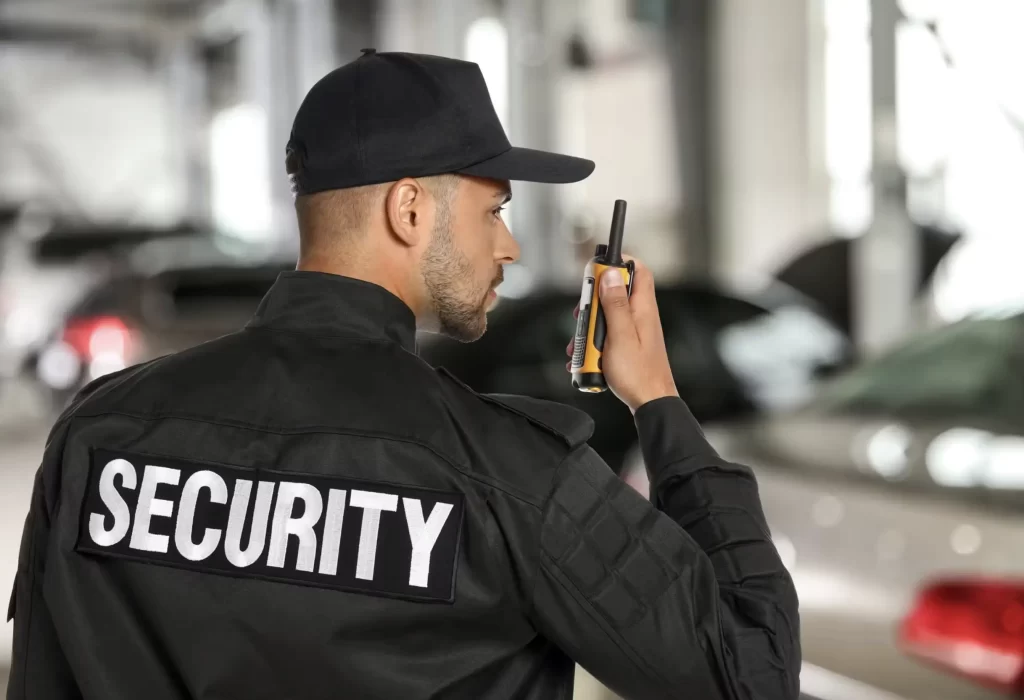
Event security guards ensure the safety and enjoyment of attendees at concerts, sports games, festivals, and conferences. Here are the key points: Responsibilities Access Control: Manage entry and exits. Crowd Management: Prevent overcrowding and ensure smooth movement. Surveillance: Monitor for suspicious activities. Emergency Response: Handle medical incidents and evacuations. Conflict Resolution: De-escalate disputes. Customer Service: Assist attendees with directions and information. Reporting: Document incidents. Skills And Qualities Communication: Clear interaction with attendees and staff. Observation: Notice unusual behavior. Physical Fitness: Stand for long periods. Calmness Under Pressure: Stay composed in emergencies. Problem-Solving: Quickly address issues. Training And Certification Certificate II in Security Operations First Aid Certification Crowd Control License Career Opportunities Event Security Guard Venue Security Private Security Firms Specialized Roles (e.g., bodyguarding) Event security guarding is essential for safe and successful events. Star Training Academy is an approved training provider for this course in New South Wales. Training schedules are posted on the website and more information is available by Phone (+61 02 9897 5622) and on-campus (27A South Street, Granville NSW 2142) enquiry.
Career Goals and Pathways in Security Operations

A career in security operations can be diverse and rewarding, offering opportunities in various sectors such as corporate, residential, event security, and public safety. Here are some common career goals and pathways within the field of security operations: Entry-Level Positions Security Guard: Responsible for monitoring premises, controlling access, and ensuring safety and security. Typically requires a Certificate II in Security Operations. Patrol Officer: Conducts regular patrols of designated areas to deter and detect any suspicious activity. Often works in a team and may use vehicles for larger areas. Mid-Level Positions Security Supervisor: Oversees a team of security guards, ensuring adherence to protocols and policies. Responsible for scheduling, training, and performance management of staff. Control Room Operator: Monitors surveillance systems and alarms, coordinates response to incidents. Requires strong attention to detail and ability to manage multiple tasks simultaneously. Event Security Coordinator: Plans and implements security measures for events, including crowd control and emergency response. Works closely with event organisers and law enforcement agencies. Advanced Positions Security Manager: Manages the security operations for a large facility or multiple sites. Develops and implements security policies, conducts risk assessments, and liaises with stakeholders. Risk Management Consultant: Provides expertise in identifying and mitigating security risks for organizations. Often involves conducting audits and advising on best practices. Corporate Security Director: Heads the security department of a corporation, overseeing all security measures and protocols. Works on strategic planning and integration of security with overall business operations. Specialised Roles Cybersecurity Specialist: Focuses on protecting an organization’s digital assets and information systems from cyber threats. Requires specialized training and certifications in IT security. Executive Protection Officer: Provides personal protection to high-profile individuals such as executives or celebrities. Involves detailed planning, threat assessment, and sometimes travel. Star Training Academy is an approved training provider for this course in New South Wales. Training schedules are posted on the website and more information is available by Phone (+61 02 9897 5622) and on-campus (27A South Street, Granville NSW 2142) enquiry.
Benefits of RSA Training – Responsible Service of Alcohol in NSW

Benefits of RSA Training Compliance: Ensures that employees and businesses comply with local laws and regulations, avoiding fines and legal issues. Safety: Promotes a safer environment for both staff and patrons by reducing alcohol-related incidents. Professional Development: Enhances the skills and knowledge of hospitality workers, making them more effective in their roles. Community Health: Contributes to the overall health and well-being of the community by minimizing alcohol-related harm. Who Needs RSA Training? Bartenders Waitstaff Security staff in licensed venues Licensees and managers of licensed premises Retail staff selling alcohol Star Training Academy is an approved training provider for this course in New South Wales. Training schedules are posted on the website and more information is available by Phone (+61 02 9897 5622) and on-campus (27A South Street, Granville NSW 2142) enquiry.
Daily Tasks of a Security Officer – Certificate II in Security Operations (CPP20218)

A security guard is essential in the protection of premises and the safety of individuals, whether it is a corporate office, residential community, or retail store. They are responsible for patrolling, monitoring, and securing buildings to prevent theft, violence, and rule infractions. Security guards provide essential security services for businesses and organisations, offering peace of mind to both employees and clients. By maintaining a watchful presence, they detect and deter potential threats, enforce security procedures, and respond promptly to emergencies. A security guard is in charge of monitoring and preventing security breaches, safeguarding the safety of people and property. As a security guard, their primary responsibilities include enforcing laws and regulations, managing access to the premises, and running various security equipment. This technology could include x-ray machines to scan luggage and packages, metal detectors to detect potential weapons, and surveillance systems to monitor the area. Star Training Academy is an approved training provider for this course in New South Wales. Training schedules are posted on the website and more information is available by Phone (+61 02 9897 5622) and on-campus (27A South Street, Granville NSW 2142) enquiry.
Benefits of Studying Certificate II in Security Operations (CPP20218)

Specialized skills can make all the difference in today’s competitive job market. Studying a Certificate II in Security Operations at Star Training Academy offers numerous benefits, paving the way to a rewarding career in the security industry. High Demand Sydney’s rapid growth, particularly in the Western area, has increased the need for security professionals. With new infrastructure, businesses, and developments, the demand for skilled security personnel is higher than ever. Comprehensive Skills This course provides a solid foundation in essential security skills like risk management, emergency procedures, patrolling, monitoring, and reporting. Graduates are well-prepared to handle various security situations, making them valuable assets to employers. Recognized Qualification The Certificate II in Security Operations is a nationally recognized qualification. The training provided at Star Training Academy allows students opportunities to work in New South Wales, NSW Licence Class 1A and 1E. It showcases your commitment and competence in security, giving you a competitive edge in job applications. Career Advancement This qualification opens pathways for further education and career progression, such as advancing to Certificate III or IV in Security Operations. Continuous learning can enhance your career prospects and earning potential. Flexible Learning Star Training Academy offers flexible learning options, including weekday and weekend courses. This flexibility allows you to balance education with other responsibilities, making it easier to pursue your career goals. Community Impact Qualified security professionals play a crucial role in maintaining community safety. Your skills create a safer environment for residents, businesses, and visitors. Networking Studying at Star Training Academy offers excellent networking opportunities with industry professionals, instructors, and peers. Building these relationships can lead to job referrals, mentorship, and collaborations, enhancing your professional growth. Pursuing a Certificate II in Security Operations course at Star Training Academy is a strategic move with many benefits. From high-demand and comprehensive skills training to recognized qualifications and flexible learning, this course can be your gateway to a successful career in the security industry. Embrace this opportunity to enhance your skills and unlock new career prospects in this dynamic region.
Mastering Traffic Control: Ensuring Road Safety and Unlocking Career Opportunities

Introduction Traffic control plays a vital role in maintaining road safety and ensuring the smooth flow of vehicles. In order to effectively manage traffic, individuals need to acquire the necessary skills and knowledge. This is where traffic control courses come into play. In this article, we will explore the importance of traffic control courses, the benefits they offer, the requirements for taking such courses, and the job opportunities that arise after completing them. Importance of Traffic Control Courses Enhancing Road Safety One of the primary reasons why traffic control courses are essential is that they help enhance road safety. By equipping individuals with the necessary knowledge of traffic laws, signs, and regulations, these courses ensure that traffic controllers can effectively guide vehicles and pedestrians, reducing the risk of accidents and promoting safe commuting. Smooth Traffic Flow Traffic congestion is a common issue in many cities, leading to frustration and delays. Traffic control courses teach participants about efficient traffic management techniques, including proper lane control, traffic signal coordination, and effective communication. By applying these strategies, traffic controllers contribute to the smooth flow of vehicles, minimizing congestion and improving overall traffic conditions. Benefits of Taking a Traffic Control Course Increased Employability Completing a traffic control course enhances your employability in the transportation and construction industries. Employers prefer hiring individuals with relevant training and certifications, as it demonstrates their commitment to safety and professionalism. By obtaining a traffic control certification, you become a valuable asset in the job market, opening up various career opportunities. Career Advancement Traffic control courses provide a pathway for career advancement. Starting as a traffic controller, you can progress to supervisory roles, such as a traffic management coordinator or team leader. With additional experience and qualifications, you may even pursue roles in traffic engineering or transportation planning. These courses lay the foundation for a rewarding and dynamic career in the traffic control industry. Traffic Control Course Requirements To enroll in a traffic control course, certain requirements must be met: Minimum Age: Generally, participants must be at least 18 years old to enroll in a traffic control course. This ensures that individuals have a certain level of maturity and responsibility. Language Proficiency: Proficiency in the language of instruction is necessary to comprehend the course material, including traffic signs, signals, and instructions. Physical Fitness: Traffic control courses involve practical training that requires individuals to be physically fit. Participants should be able to stand for extended periods, direct traffic using hand signals, and perform other physical tasks as needed. Types of Traffic Control Courses Basic Traffic Control Course The Basic Traffic Control Course provides participants with fundamental knowledge and skills required for traffic control operations. It covers topics such as traffic laws, sign recognition, flagging techniques, and traffic control equipment operation. This course is suitable for individuals entering the traffic control field for the first time. Advanced Traffic Control Course The Advanced Traffic Control Course is designed for individuals seeking to enhance their existing traffic control skills and knowledge. It delves deeper into topics such as traffic management planning, work zone safety, incident management, and advanced flagging techniques. This course is ideal for experienced traffic controllers or those aspiring to take on leadership roles. Traffic Control Course Syllabus The syllabus of a traffic control course may vary depending on the training provider and the specific course level. However, here are some common topics covered in traffic control courses: Introduction to Traffic Control: An overview of the importance of traffic control, its role in road safety, and the responsibilities of traffic controllers. Traffic Laws and Regulations: Understanding the legal framework related to traffic control, including traffic acts, regulations, and local bylaws. Traffic Signs and Symbols: Familiarizing participants with various traffic signs, signals, and pavement markings, and their meanings. Communication Skills: Developing effective communication techniques for directing traffic and interacting with drivers, pedestrians, and fellow traffic controllers. Flagging Techniques: Learning proper flagging procedures and hand signals to control traffic flow safely. Traffic Control Equipment: Understanding the operation and maintenance of traffic control equipment, such as traffic cones, barricades, and temporary traffic signals. Work Zone Safety: Addressing the specific safety considerations and hazards associated with working in construction zones or other areas with temporary traffic control measures. Traffic Incident Management: Acquiring skills to manage traffic during incidents or emergencies, including accident scenes, road closures, or detours. Traffic Management Planning: Developing skills in creating effective traffic management plans for different scenarios, considering factors like traffic volume, road capacity, and pedestrian safety. First Aid and Emergency Response: Basic first aid training and knowledge of emergency response protocols to ensure the safety and well-being of individuals involved in traffic incidents. How to Choose the Right Traffic Control Course With numerous traffic control courses available, it’s essential to select the right one that meets your specific needs and career goals. Consider the following factors when choosing a traffic control course: Accreditation: Ensure that the course is accredited by a recognized authority or organization in the traffic control industry. This accreditation ensures that the course meets the required standards and is recognized by employers. Course Content: Review the course syllabus and determine if it covers all the necessary topics and skills you want to acquire. Look for courses that offer comprehensive training in traffic control principles, laws, equipment operation, and practical skills. Training Methodology: Check whether the course includes a mix of theoretical knowledge and practical hands-on training. Practical experience is crucial in developing the skills needed to excel as a traffic controller. Instructor Qualifications: Verify the qualifications and experience of the instructors delivering the course. Experienced instructors with industry knowledge can provide valuable insights and guidance throughout the training. Reviews and Recommendations: Seek feedback from previous course participants or industry professionals who have completed the course. Their experiences and recommendations can help you make an informed decision. Job Opportunities After Completing a Traffic Control Course Completing a traffic control course opens up various job opportunities in the transportation and construction sectors. Some of the potential career paths include: Traffic Controller: As a traffic controller, you will be responsible for directing traffic, implementing traffic control plans, and ensuring the safety
Everything You Need to Know About White Cards for Construction Work

If you’re looking to work in the construction industry, you’ll need a White Card, also known as a General Construction Induction Card. This essential credential is mandatory for anyone involved in construction work. Here’s a breakdown of what you need to know: Who Needs a White Card? A White Card is required for a variety of roles within the construction sector, including: Site Managers Supervisors Surveyors Labourers Tradespeople Additionally, if you access operational construction zones—whether unaccompanied or not directly supervised by someone with an induction card—you’ll also need one. This requirement extends to anyone whose job involves regular entry into these zones. Checking Your White Card Status To verify NSW White Cards (or General Construction Induction Cards), visit Verify.licence. Note that if you haven’t worked in construction for two consecutive years or more, your White Card will become void. Working in NSW with Interstate Cards If you hold a construction induction card from another state or territory, you can still work in NSW. For more details, check out the relevant fact sheet. How to Get Your White Card Eligibility Requirements To obtain a White Card, you must first complete general construction induction training with a Registered Training Organisation (RTO). Here’s how to get started: Find a Trainer: Use our online search tool to locate a White Card trainer in your area. Prepare Your ID: You’ll need to provide 100 points of ID to your trainer. Pay the Fee: The course fee varies and is set independently by the RTO. Age Requirement: Participants must be at least 14 years old. Application Process After completing your training, Star Training Academy will handle the application process for your new card. We will provide you with a statement as proof of training until your White Card arrives. This statement is valid for 60 days, though most cards are issued by SafeWork NSW within 30 days. If you don’t receive your card in time, contact SafeWork NSW at 13 10 50. With the right training and a valid White Card, you’ll be set to start or continue your career in construction safely and legally. White Card Training Star Training Academy is an approved training provider for this course in New South Wales. Training schedules are posted on the website and more information is available by Phone (+61 02 9897 5622) and on-campus (27A South Street, Granville NSW 2142) enquiry.
A Quick Guide to SLED for Aspiring Security Officers in NSW
If you’re aiming to become a Security Officer in New South Wales (NSW), it’s essential to know about the Security Licensing & Enforcement Directorate (SLED). What is SLED? SLED is a unit within the NSW Police Force that handles the licensing and regulation of security professionals and companies. They ensure that security personnel meet legal and professional standards. Key Responsibilities Licensing: SLED manages the application and renewal of security licenses, ensuring applicants meet all necessary qualifications and training requirements. Regulation: They enforce compliance with the Security Industry Act 1997, conducting audits and inspections to maintain industry standards. Enforcement: SLED can suspend or revoke licenses in cases of misconduct, helping to uphold the integrity of the industry. Guidance: They provide valuable resources and updates to help security professionals stay informed and compliant. Why SLED Matters to You For aspiring Security Officers, understanding SLED’s role is crucial: Licensing: Know the requirements and process for obtaining and renewing your security license. Professional Standards: Stay aligned with industry standards and ethical practices. Career Development: Follow SLED’s guidelines to advance your career and ensure compliance. How to Engage with SLED Check Their Website: For the latest information on licensing and regulations. Complete Accredited Training: Ensure your training meets SLED’s standards. Stay Updated: Keep up with changes in regulations and industry news. By aligning with SLED’s regulations, you’re setting a solid foundation for a successful career as a Security Officer in NSW. Certificate II in Security Operations Star Training Academy is an approved training provider for this course in New South Wales. Training schedules are posted on the website and more information is available by Phone (+61 02 9897 5622 and on-campus (27A South Street, Granville NSW 2142) enquiry.
Unlock Career Opportunities with a Traffic Control Course
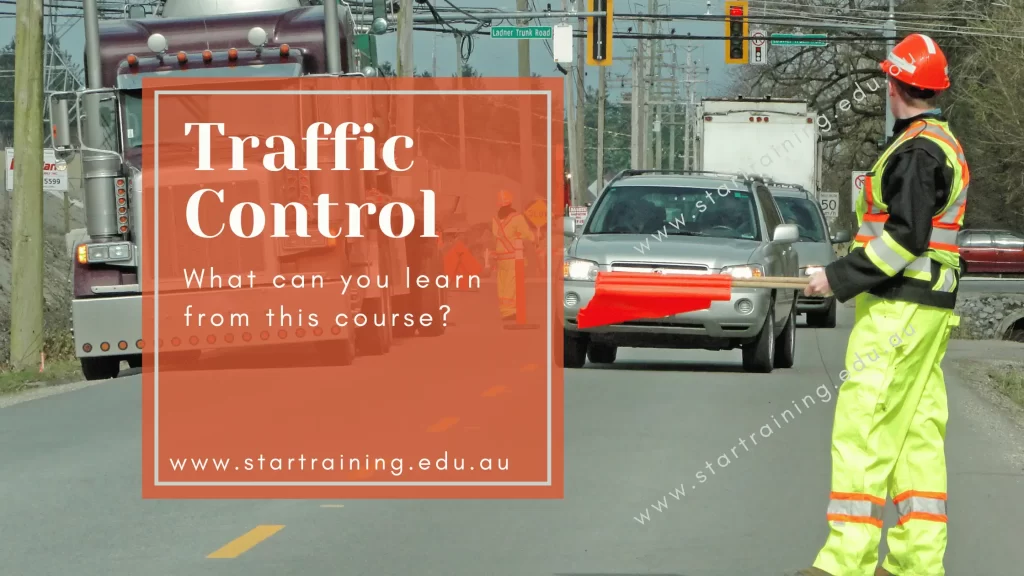
If you’re looking to boost your career in traffic management, a Traffic Control Course from Star Training Academy in NSW is your gateway to new opportunities. Here’s why enrolling in this course can be a game-changer for your professional journey: Enhanced Safety Skills Star Training Academy’s course equips you with critical skills to manage road safety effectively. You’ll learn how to set up traffic control measures, handle emergency situations, and ensure the safety of both road users and workers. Increased Job Prospects With a certification from Star Training Academy, you become a desirable candidate for various roles in traffic management. This includes positions like traffic controllers and roadworks supervisors, opening doors to diverse job opportunities. Compliance and Credibility The course ensures you’re well-versed in local and national traffic regulations. This compliance not only helps you avoid legal issues but also boosts your credibility with employers. Competitive Edge Certification from a reputable provider like Star Training Academy sets you apart in the job market. It demonstrates your commitment to the profession and can lead to better job prospects and higher earning potential. Professional Growth Beyond technical skills, the course enhances your communication and problem-solving abilities. These skills are invaluable for professional development and career advancement. Investing in a Traffic Control Course from Star Training Academy means gaining top-notch training, complying with industry standards, and positioning yourself for success in the traffic management field. Start your journey towards a rewarding career today! Traffic Controller & Implement Traffic Control Plans Star Training Academy is an approved training provider for this course in New South Wales. Training schedules are posted on the website and more information is available by Phone (+61 02 9897 5622) and on-campus (27A South Street, Granville NSW 2142) enquiry.